
12 week sprint triathlon training plan pdf
This comprehensive 12-week plan is designed for intermediate triathletes aiming to excel in Olympic-distance events, requiring 10-14 hours of weekly training․
Focusing on swimming, biking, and running, alongside strength conditioning, this program builds endurance and speed, culminating in a peak performance for your A-priority race․
Target Athlete Profile
This 12-week Olympic-distance training plan is specifically tailored for the intermediate triathlete․ Ideal candidates have already dedicated more than two years to consistent triathlon training, demonstrating a solid foundation in all three disciplines – swimming, cycling, and running․
You should be comfortable completing a 1500m swim, a 40km bike ride, and a 10km run individually, and possess a basic understanding of triathlon transitions․ The athlete profile assumes a commitment to 10-14 hours of weekly training, balancing work, life, and athletic pursuits․
This plan is designed for those seeking to significantly improve their performance and achieve a competitive result within their age group at an A-priority Olympic-distance triathlon․ A pre-existing level of base fitness is beneficial, as the initial phases build upon this foundation․ Prior experience with interval training and strength conditioning is helpful, but not essential, as these elements are progressively integrated into the program․
Plan Overview: Olympic Distance Focus
This 12-week plan meticulously prepares you for an Olympic-distance triathlon (1500m swim, 40km bike, 10km run)․ It’s structured around a progressive overload principle, systematically increasing training volume and intensity over three distinct phases;
Phase One (Weeks 1-4) establishes a robust base fitness, prioritizing endurance and consistency․ Phase Two (Weeks 5-8) introduces strength and speed work, incorporating interval training and hill repeats․ Finally, Phase Three (Weeks 9-12) focuses on peak performance, simulating race conditions with brick workouts and race-pace runs․
The plan integrates dedicated swim, bike, and run sessions, complemented by strength and conditioning exercises․ Emphasis is placed on proper nutrition, hydration, and recovery to optimize performance and minimize injury risk․ Regular monitoring of progress and adjustments to the plan are encouraged to ensure continued improvement and a successful race day outcome․
Importance of Base Fitness
Establishing a solid base fitness is paramount before embarking on intense triathlon training․ This initial phase, typically spanning the first four weeks, focuses on building endurance and preparing your body for the demands ahead․ It’s a key stage allowing you to support the higher intensity phases later in the plan․
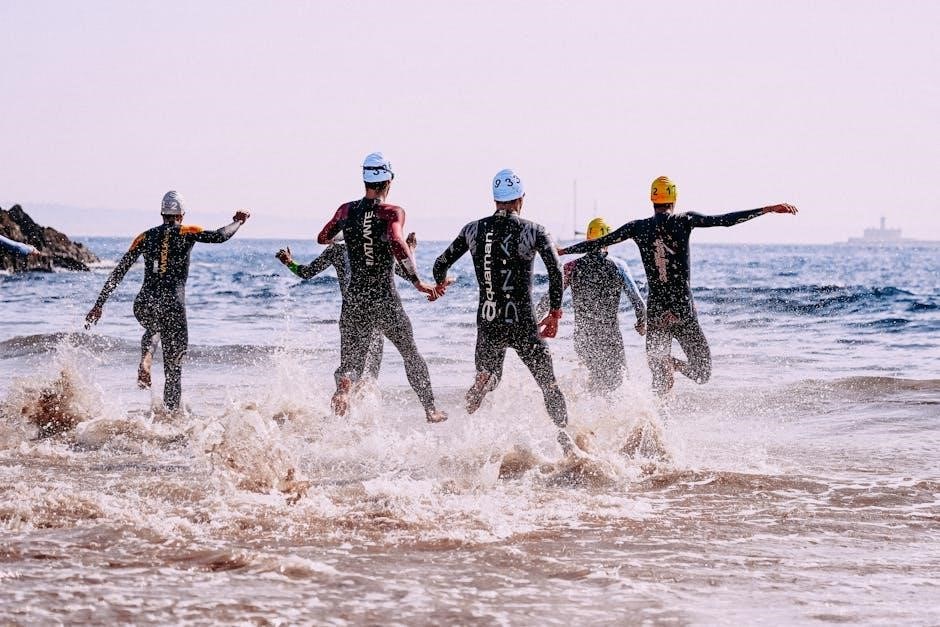
Prioritizing long, slow distance work in swimming, cycling, and running builds aerobic capacity and strengthens musculoskeletal systems․ This reduces the risk of injury and improves overall efficiency․ A strong base allows for greater training volume and intensity without overstressing the body․
Don’t underestimate this phase! It’s not about pushing limits, but about consistently accumulating training hours at a comfortable pace․ This foundational work is crucial for maximizing performance and achieving your triathlon goals․ It sets the stage for successful strength and speed development․
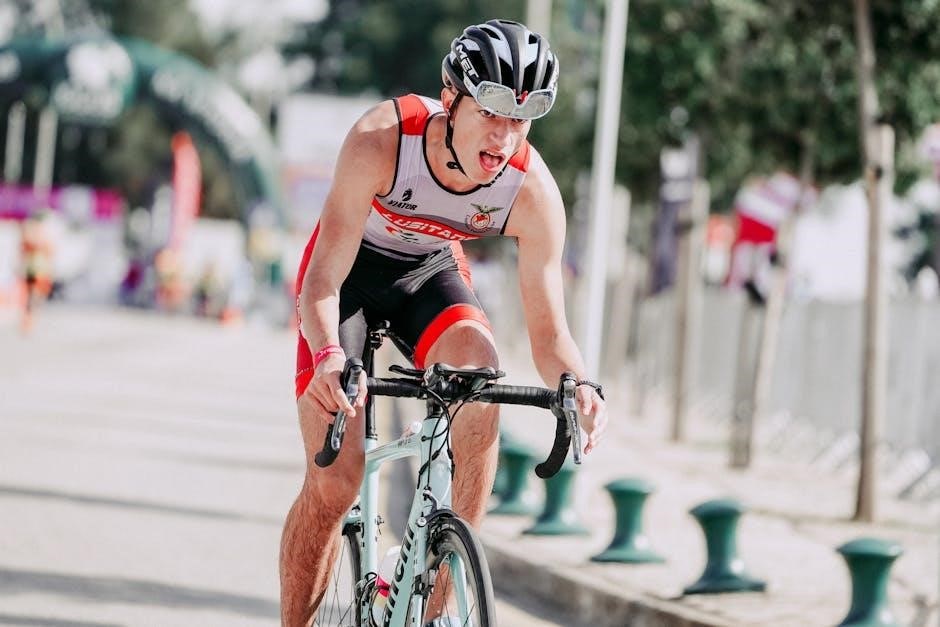
Phase 1: Establishing Base Fitness (Weeks 1-4)
This initial four-week phase prioritizes building endurance across all disciplines, laying a crucial foundation for subsequent intensity increases and overall triathlon success․
Swimming: Building Endurance
The initial weeks focus on establishing a solid swimming base, crucial for triathlon performance․ Workouts will emphasize continuous swimming to improve aerobic capacity and technique․ Expect longer, slower swims to build endurance, gradually increasing distance each week․
Early sessions should prioritize form, ensuring efficient stroke mechanics to minimize energy expenditure․ Drills focusing on body position, catch, and pull-through are essential․ As weeks progress, introduce short interval sets with minimal rest to enhance stamina․
Aim for at least two to three swim sessions per week, varying distances and intensities․ Don’t neglect open water practice if possible, acclimating to the conditions of your race․ Remember to incorporate pull buoy and kickboard work to isolate muscle groups and refine technique․ Consistent effort during this phase will pay dividends later․
Cycling: Long, Slow Distance Rides
Phase one prioritizes building a robust cycling endurance base through long, slow distance (LSD) rides․ These rides are performed at a conversational pace, focusing on maintaining a consistent cadence and effort over extended periods․ The goal is to improve aerobic capacity and fat-burning efficiency․
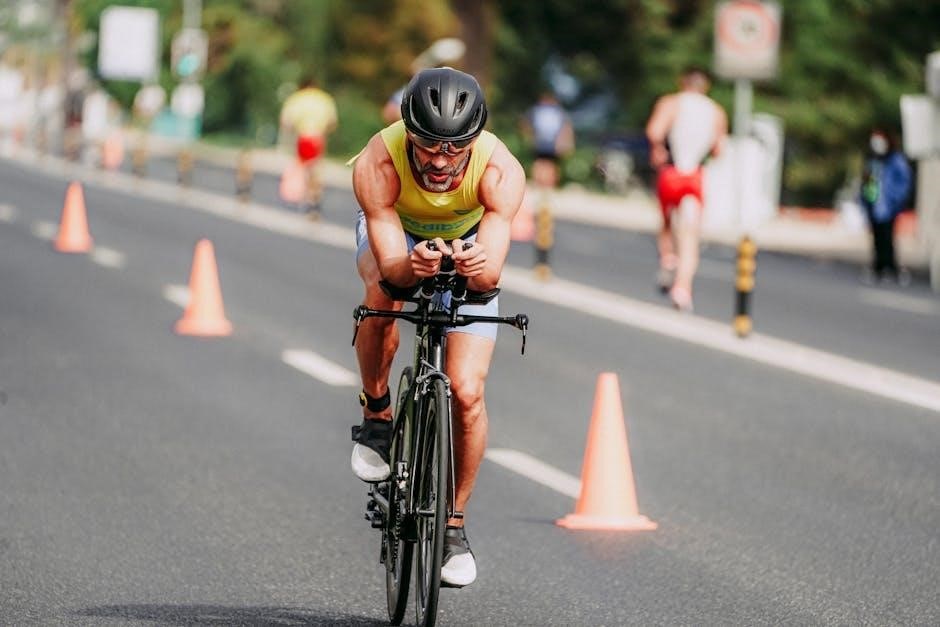
Begin with rides of approximately 60-90 minutes, gradually increasing the duration by 10-15% each week․ Incorporate varied terrain, including rolling hills, to challenge your muscles and simulate race conditions․ Proper bike fit is crucial to prevent injuries and maximize efficiency․
Aim for two to three cycling sessions weekly, with one dedicated long ride․ Focus on maintaining a consistent heart rate within Zone 2․ Nutrition and hydration are key during these longer efforts; practice fueling strategies you’ll use on race day․
Running: Increasing Weekly Mileage
The running component of this 12-week plan focuses on progressively increasing weekly mileage to build endurance and leg strength․ Begin with a comfortable base mileage, avoiding sudden increases that could lead to injury․ Implement the 10% rule – never increase your weekly mileage by more than 10%․
Early weeks emphasize easy-paced runs, building a solid aerobic foundation․ Gradually introduce one longer run per week, extending the distance incrementally․ Incorporate varied terrain, including hills, to strengthen different muscle groups․ Proper running form is essential for efficiency and injury prevention․

Aim for three to four runs per week, including a long run, recovery runs, and potentially a tempo run as you progress․ Pay attention to your body and prioritize rest and recovery․ Consistent running will build the necessary stamina for the 10k race leg․
A foundational element of this 12-week triathlon plan is a dedicated strength and conditioning program․ This isn’t about building bulk, but enhancing functional strength, power, and injury resilience․ Focus on exercises that support all three disciplines – swimming, cycling, and running․
Initially, prioritize core stability exercises like planks, bridges, and Russian twists․ These build a strong foundation for efficient movement․ Incorporate bodyweight exercises such as squats, lunges, and push-ups to build overall strength․ Resistance bands are a versatile tool for adding intensity․
As the plan progresses, introduce light weights, focusing on proper form over heavy lifting․ Include exercises targeting key muscle groups used in triathlon: legs, core, back, and shoulders․ Two to three strength sessions per week are recommended, allowing for adequate recovery between workouts․
Phase 2: Building Strength and Speed (Weeks 5-8)
This phase intensifies training with interval swims, hill repeats on the bike, and speed work for running, alongside a power-focused strength program for optimal gains․
Swim Workouts: Interval Training
Weeks 5-8 introduce structured interval training to elevate swimming speed and endurance․ These workouts move beyond consistent, steady-state swims, challenging your cardiovascular system and improving lactate tolerance․ A typical session might begin with a warm-up of 400 meters, followed by 8 x 100m repeats at a fast pace with 20 seconds rest, then 6 x 50m sprints with 15 seconds recovery․
Focus on maintaining proper technique even when fatigued; quality over quantity is crucial․ Incorporate drills like fingertip drag and catch-up to refine your stroke․ Longer intervals, such as 4 x 200m or 2 x 400m, can also be included, adjusting rest periods based on your fitness level․ Cool down with 200-300 meters of easy swimming․
Progressively increase the intensity or decrease the rest intervals each week to continually challenge yourself․ Remember to listen to your body and adjust the workout if needed, prioritizing form and preventing overtraining․ This phase is vital for building the speed necessary for a strong swim leg in your Olympic-distance triathlon․
Bike Workouts: Hill Repeats and Tempo Rides
During weeks 5-8, cycling shifts towards building strength and sustained power through hill repeats and tempo rides․ Hill repeats involve finding a moderate incline and cycling up it at a high intensity for a set duration (e․g․, 2-3 minutes), followed by an easy descent for recovery․ Repeat this 6-10 times․
Tempo rides focus on maintaining a comfortably hard effort – a pace you can sustain for 20-40 minutes – to improve your aerobic capacity․ These rides should be performed on relatively flat terrain․ A sample workout could be a 15-minute warm-up, followed by 30 minutes at tempo pace, and a 15-minute cool-down․
Gradually increase the duration or intensity of hill repeats and tempo rides each week․ Proper gearing and cadence are essential for efficient climbing and maintaining tempo․ Remember to incorporate recovery days to allow your muscles to adapt and rebuild․ These workouts are key to developing the leg strength and endurance needed for the bike leg․
Run Workouts: Speed Work and Threshold Runs
As the plan progresses (weeks 5-8), running workouts introduce speed work and threshold runs to enhance both pace and endurance․ Speed work consists of short, high-intensity intervals (e․g․, 400m or 800m repeats) with recovery periods in between․ This improves your running form and leg speed․ A typical session might involve 8 x 400m at 5k pace with equal recovery jogs․
Threshold runs are sustained efforts at a comfortably hard pace – approximately your 10k race pace – for 20-30 minutes․ These runs increase your lactate threshold, allowing you to run faster for longer․ Begin with a 10-minute warm-up, followed by the threshold effort, and finish with a cool-down․
Gradually increase the number of repetitions or the duration of threshold runs each week․ Proper warm-up and cool-down are crucial to prevent injuries․ These workouts build the speed and stamina necessary for a strong run split in your triathlon․
Strength Training: Focus on Power
During Phase 2 (weeks 5-8), strength training shifts its emphasis towards developing power, crucial for explosive movements in all three triathlon disciplines․ This phase builds upon the foundational strength established in Phase 1․ Incorporate exercises like squats, lunges, deadlifts, and plyometrics (jump squats, box jumps) into your routine․
Focus on lower body strength to improve cycling power and running efficiency․ Core work remains vital for stability and injury prevention․ Include exercises like planks, Russian twists, and medicine ball throws․ Aim for 2-3 strength training sessions per week, allowing for adequate recovery between sessions․
Prioritize proper form over lifting heavy weights․ Controlled movements are essential to avoid injuries․ This power-focused strength training will translate to improved performance on the course, enhancing your ability to accelerate and maintain speed․
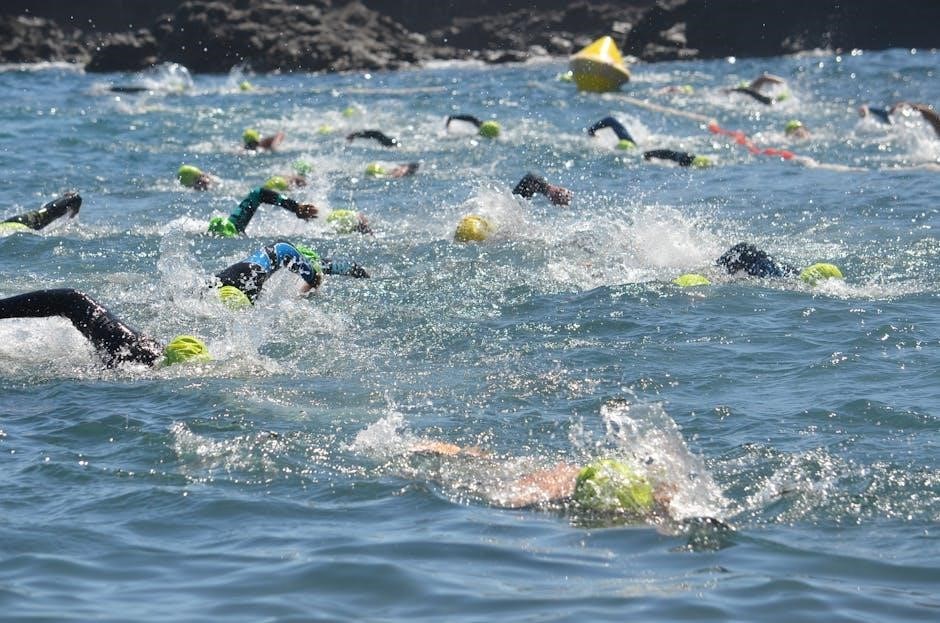
Phase 3: Peak Performance (Weeks 9-12)
This final phase simulates race conditions, incorporating brick workouts and race-pace runs to optimize performance․ Tapering strategically ensures freshness for your Olympic-distance triathlon․
Swim Workouts: Race Pace Simulation
As you enter the peak performance phase (Weeks 9-12), swim workouts transition to intensely focused race pace simulations․ These sessions are crucial for dialing in your speed and efficiency over the 1500m Olympic distance․ Expect to see sets designed to mimic the demands of open water swimming, including varied pace intervals and simulated buoy turns․
Workouts will incorporate sustained efforts at your target race pace, interspersed with short recovery periods․ This builds both aerobic capacity and lactate tolerance, essential for maintaining speed throughout the swim leg․ Focus on maintaining proper technique even when fatigued, as this will translate directly to improved performance on race day․
Consider incorporating open water swims if feasible, to practice sighting and navigating in realistic conditions․ These simulations will build confidence and reduce anxiety on race day․ Remember to prioritize technique and pacing over sheer speed during these sessions, ensuring you’re conserving energy for the bike and run legs․
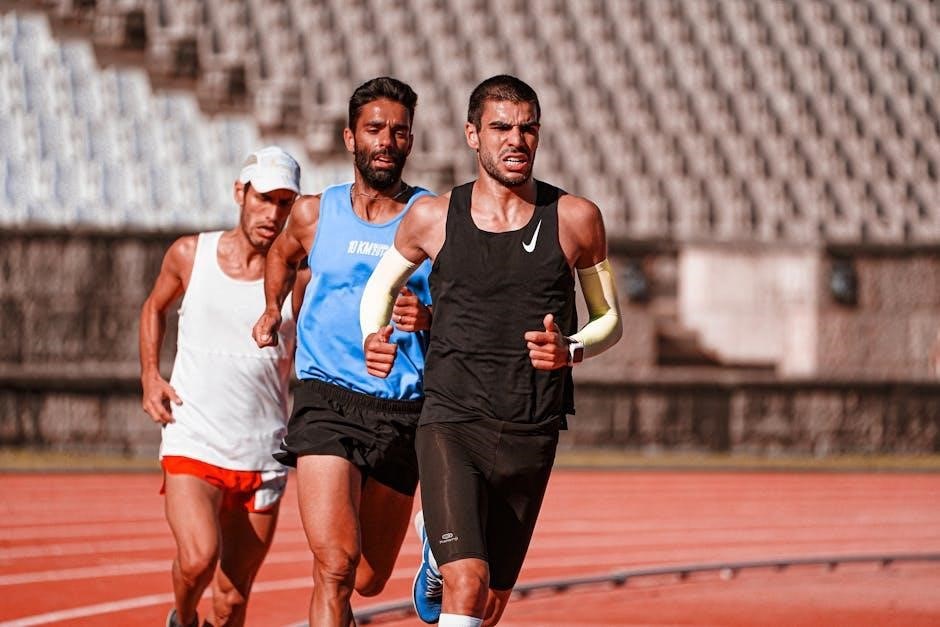
Bike Workouts: Brick Workouts
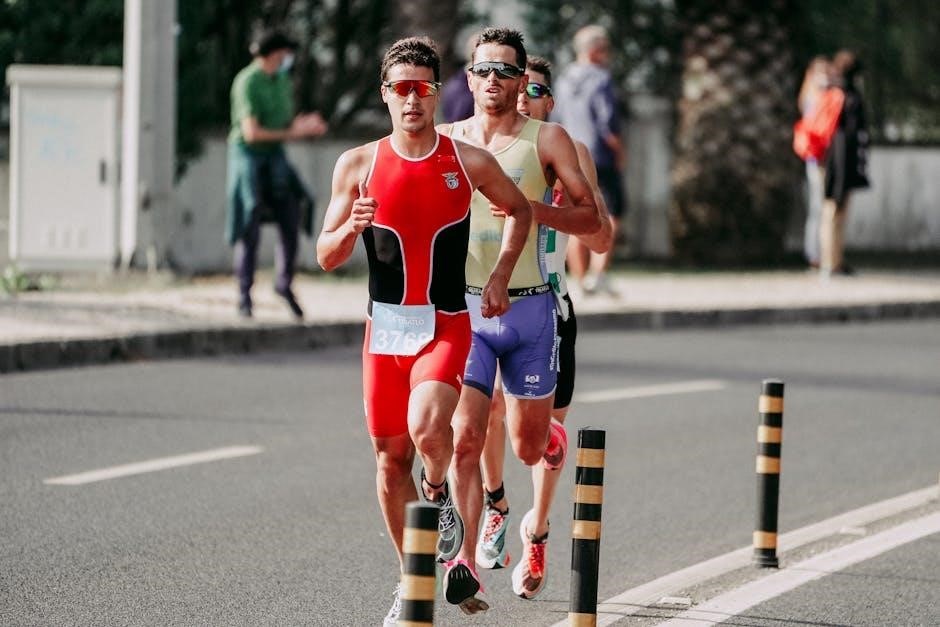
During the peak performance phase (Weeks 9-12), brick workouts become a cornerstone of your cycling training․ These sessions directly simulate the transition from bike to run, preparing your muscles and cardiovascular system for the unique demands of triathlon․ A typical brick workout involves a moderate-intensity bike ride immediately followed by a run, without a significant break․
The goal isn’t to achieve peak performance in either discipline, but to practice efficient transitions and maintain running form with fatigued legs․ Start with shorter brick sessions and gradually increase the duration and intensity․ Focus on maintaining a consistent cadence on the bike and a comfortable running pace․
Pay attention to your transition time, practicing quick and efficient gear changes and shoe swaps․ Brick workouts build mental toughness and teach your body to cope with the challenges of back-to-back disciplines, ultimately improving your overall race performance․
Run Workouts: Race Pace Runs
As you enter the peak performance phase (Weeks 9-12), incorporating race pace runs is crucial for dialing in your running speed and endurance for race day․ These workouts involve running at your target Olympic-distance 10k pace for sustained periods, building confidence and refining your pacing strategy․
Begin with shorter intervals at race pace, interspersed with recovery jogs, and gradually increase the duration of the intervals․ Focus on maintaining consistent form and breathing throughout the run․ Simulate race conditions by practicing running on similar terrain to the race course․
Race pace runs help you determine if your target pace is realistic and identify any weaknesses in your running form or endurance․ They also build mental toughness, preparing you to push through discomfort during the race․ Remember to warm up thoroughly before each session and cool down afterward․
Tapering Strategy for Race Day
The final weeks of your 12-week plan (Weeks 9-12) demand a strategic taper to ensure peak performance on race day․ Tapering isn’t about stopping training; it’s about reducing volume while maintaining intensity, allowing your body to recover and store energy․
Begin reducing your overall training volume by 20-30% in Week 9, and further decrease it in Weeks 10 and 11․ Maintain the intensity of your key workouts – interval sessions and race pace runs – but shorten their duration․ Focus on quality over quantity․
Prioritize rest and recovery during the taper․ Ensure adequate sleep, proper nutrition, and hydration․ Avoid any strenuous activities outside of your planned workouts․ A well-executed taper will leave you feeling fresh, energized, and ready to perform at your best on race day, maximizing the benefits of your 12 weeks of training․
Training Volume and Intensity
This plan requires a commitment of 10-14 weekly training hours, strategically balancing swimming, cycling, and running․ Heart rate zones guide intensity, ensuring optimal adaptation and preventing overtraining․
Weekly Training Hours (10-14 Hours)
The 12-week Olympic-distance triathlon training plan is structured around a consistent weekly commitment of 10 to 14 hours․ This timeframe allows for sufficient volume to build endurance, strength, and speed across all three disciplines – swimming, cycling, and running – while also incorporating crucial strength and conditioning work․
The distribution of these hours will vary depending on your individual strengths and weaknesses, as well as the specific phase of training․ Early phases, focused on base building, may lean towards higher volume at lower intensity․ Later phases will shift towards increased intensity with a slightly reduced overall volume to allow for recovery․
It’s important to note that these are guidelines, and athletes should adjust the plan based on their personal schedules, recovery capabilities, and any unforeseen circumstances․ Consistency is key, but listening to your body and prioritizing rest when needed is equally vital for preventing injury and maximizing performance․ Proper planning and time management are essential to successfully integrate this training load into your lifestyle․
Heart Rate Zones and Training Intensity
Utilizing heart rate zones is crucial for effectively implementing the 12-week Olympic-distance triathlon training plan․ These zones help regulate training intensity, ensuring you’re working at the appropriate level for each workout and maximizing physiological adaptations․ Typically, five zones are defined, ranging from Zone 1 (recovery) to Zone 5 (maximum effort)․
Base training will primarily focus on Zones 1 and 2, building aerobic endurance․ Interval workouts will incorporate Zones 3, 4, and 5 to improve speed and lactate threshold․ Tempo rides and runs will target Zone 3, enhancing sustained effort capacity․
Determining your accurate heart rate zones requires a field test or laboratory assessment․ Monitoring your heart rate during workouts allows for real-time adjustments, preventing overtraining or undertraining․ Consistent monitoring and adherence to prescribed zones are key to achieving optimal results and avoiding plateaus throughout the 12-week program․
Monitoring Progress and Adjusting the Plan
Consistent monitoring of your progress is vital throughout the 12-week Olympic-distance triathlon training plan․ Track key metrics like workout completion, heart rate data, perceived exertion, and recovery times․ Regularly assess your performance in swim, bike, and run sessions to identify strengths and weaknesses․
Adjustments to the plan are inevitable․ Life happens, and unforeseen circumstances may disrupt training․ Don’t hesitate to modify workouts based on fatigue levels, illness, or injury․ Prioritize rest and recovery when needed, and avoid pushing through pain․
Consider a training log to record your observations․ Periodic self-assessments, or consultations with a coach, can provide valuable insights․ Flexibility is key; adapting the plan ensures continued progress and prevents burnout, maximizing your chances of success on race day․
Nutrition and Hydration
Proper fueling and hydration are crucial throughout this 12-week plan, supporting intense training and recovery․ Strategic intake optimizes performance across all three disciplines․
Fueling for Training and Recovery
Optimizing your nutrition is paramount during this 12-week Olympic-distance triathlon training plan․ Consistent energy levels are vital, demanding a focus on carbohydrate intake to fuel demanding swim, bike, and run sessions; Prioritize complex carbohydrates like whole grains, fruits, and vegetables for sustained energy release․
Protein intake is equally important, supporting muscle repair and recovery after strenuous workouts․ Include lean protein sources in every meal, such as chicken, fish, beans, or tofu․ Don’t underestimate the power of strategic snacking! Small, nutrient-dense snacks between meals can help maintain energy levels and prevent depletion․
Timing is key; consume a carbohydrate-rich meal 2-3 hours before training and a protein-rich snack within 30-60 minutes post-workout to kickstart recovery․ Experiment with different fueling strategies during training to determine what works best for your body, avoiding any surprises on race day․ Remember, consistent and mindful nutrition is a cornerstone of success․
Hydration Strategies for Each Discipline
Maintaining optimal hydration is crucial throughout your 12-week Olympic-distance triathlon training․ Hydration needs vary significantly between disciplines․ Swimming generally requires less fluid intake during the session, but pre- and post-hydration are vital․
Cycling demands consistent fluid replacement due to increased sweat rates․ Aim to drink regularly – approximately 16-32 ounces per hour – depending on intensity and weather conditions․ Consider electrolyte drinks to replenish lost sodium and minerals․
Running also necessitates frequent hydration, especially during longer runs․ Carry a water bottle or utilize aid stations․ Practice your hydration strategy during training to avoid gastrointestinal distress on race day․ Monitor urine color; pale yellow indicates adequate hydration․ Remember to hydrate before you feel thirsty, and prioritize fluid intake throughout the day, not just during workouts․
Injury Prevention and Recovery
Prioritize rest and recovery to prevent common triathlon injuries․ Incorporate stretching, foam rolling, and active recovery days into your 12-week plan for optimal results․
Common Triathlon Injuries and Prevention
Triathlon’s multi-disciplinary nature presents unique injury risks․ Runners’ knee, IT band syndrome, and stress fractures are common in the running leg, often stemming from overuse or improper form․ Swimmers frequently experience shoulder impingement or rotator cuff issues due to repetitive arm motions; proper warm-up and technique are crucial․
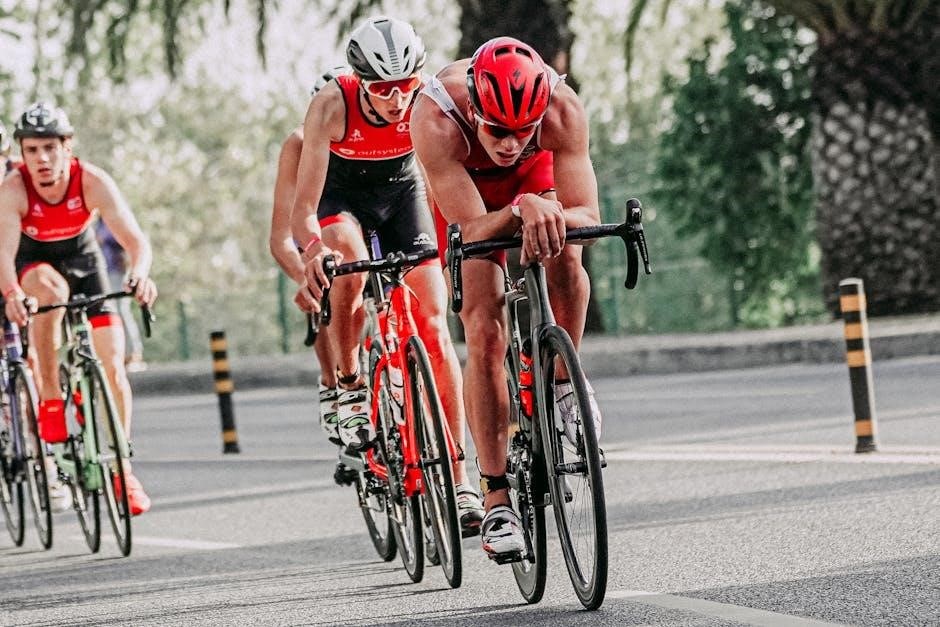
Cyclists may suffer from saddle sores, lower back pain, or knee pain, often linked to bike fit and prolonged time in the aero position․ Preventative measures are key: gradually increase training volume, incorporate strength training to support joints, and prioritize proper form in all disciplines․
Regular stretching, foam rolling, and addressing muscle imbalances can significantly reduce injury risk․ Listen to your body, don’t push through pain, and seek professional help – a physical therapist or coach – if needed․ Proper nutrition and hydration also play a vital role in recovery and injury prevention throughout your 12-week plan․
Importance of Rest and Recovery
Rest and recovery are not luxuries, but fundamental components of a successful 12-week sprint triathlon training plan․ Intense training creates microscopic muscle damage; recovery allows the body to repair and rebuild, becoming stronger․ Insufficient recovery leads to overtraining, increased injury risk, and diminished performance․
Prioritize 7-9 hours of sleep each night to optimize hormonal balance and muscle recovery․ Active recovery – light swimming, cycling, or walking – promotes blood flow and reduces muscle soreness․ Incorporate rest days into your weekly schedule, allowing your body to fully recuperate․
Nutrition plays a crucial role; consume adequate protein and carbohydrates to replenish glycogen stores and support muscle repair․ Consider techniques like foam rolling, massage, and contrast baths to further enhance recovery․ Listen to your body’s signals and adjust your training accordingly – don’t hesitate to take an extra rest day when needed․