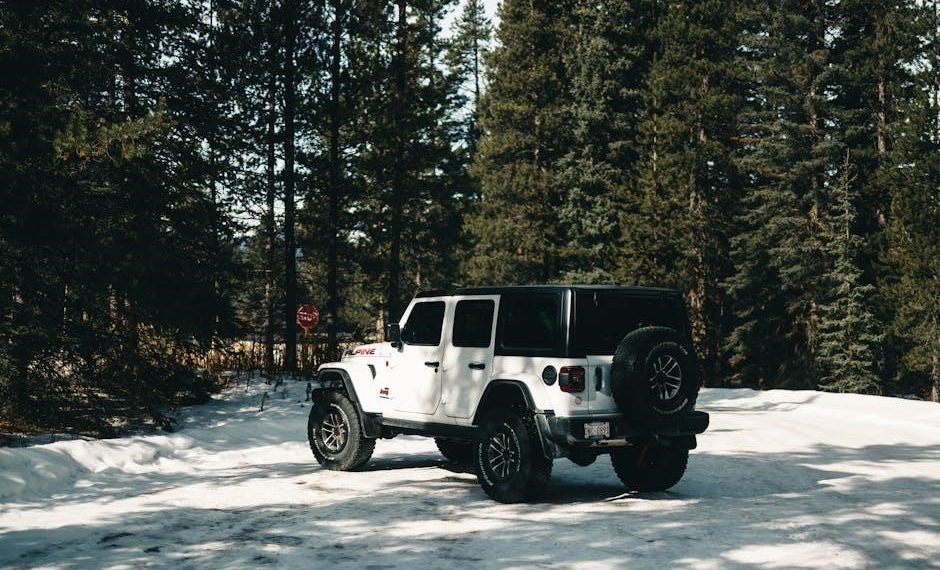
jeep wrangler jk hardtop seal kit instructions
Maintaining a weatherproof Jeep Wrangler JK requires reliable hardtop seals; kits offer comprehensive replacement options for optimal protection against the elements.
These kits address common issues like leaks and drafts, ensuring a comfortable and dry interior experience for Jeep enthusiasts during all seasons.
What is a Hardtop Seal Kit?
A Jeep Wrangler JK hardtop seal kit is a comprehensive collection of rubber seals designed to create a watertight barrier between the hardtop, windshield frame, and vehicle body. These kits typically include seals for the header (the area between the windshield and hardtop), side windows, rear window, freedom panels (removable roof sections), and sometimes the sound bar.
Essentially, they replace the factory-installed rubber seals that degrade over time due to exposure to UV rays, temperature fluctuations, and general wear and tear. A complete kit ensures all potential leak points are addressed, restoring the hardtop’s original sealing capabilities and providing a more comfortable, dry, and quiet ride. Kits often lack detailed instructions, requiring resourceful installation.
Why Replace Your Hardtop Seals?
Over time, the rubber seals on a Jeep Wrangler JK hardtop inevitably deteriorate, leading to a host of issues. Common symptoms include water leaks, wind noise, and drafts, significantly impacting driving comfort. Exposure to sunlight, extreme temperatures, and regular use cause the rubber to become brittle, cracked, and lose its elasticity, compromising the seal’s integrity.
Replacing these seals isn’t merely about convenience; it’s about preserving the vehicle’s interior and preventing potential damage from water intrusion. A compromised seal can lead to mold growth, corrosion, and electrical issues. Investing in a new seal kit restores the hardtop’s protective function, ensuring a dry, quiet, and enjoyable ride, even in inclement weather. Many find installation instructions lacking.
Understanding Jeep Wrangler JK Hardtop Components
The JK hardtop consists of several sections – header, side windows, rear window, freedom panels, and sound bar – each requiring specific seals for a watertight closure.
Hardtop Sections and Their Seals
The Jeep Wrangler JK hardtop is a modular system, and each section relies on dedicated seals to prevent water and wind intrusion. The header seal runs along the windshield frame, crucial for preventing leaks at the top; Side window seals create a barrier between the hardtop and doors, demanding proper alignment.
The rear window seal ensures a tight fit against the tailgate, while freedom panel seals bridge the gap between the panels and the hardtop. Finally, the sound bar seal minimizes noise and further seals the interior. A complete seal kit addresses all these areas, providing a comprehensive solution for a weatherproof cabin. Understanding each component’s role is vital for correct installation and optimal performance.
Common Seal Failure Points
Jeep Wrangler JK hardtop seals commonly fail due to prolonged UV exposure, temperature fluctuations, and general wear and tear. The header seal often cracks or compresses over time, leading to leaks directly above the windshield. Side window seals can become brittle and lose their flexibility, creating gaps.
The rear window seal is susceptible to damage during tailgate operation, while freedom panel seals may separate or deform. The sound bar seal can deteriorate, allowing wind noise and water ingress. Identifying these failure points early is crucial; regular inspection can prevent significant leaks and maintain a comfortable, dry interior. Addressing these issues with a quality seal kit restores the hardtop’s protective capabilities.
Tools and Materials Needed
Essential tools include a socket set, plastic pry tools, cleaning supplies, and potentially a heat gun. A new hardtop seal kit is, of course, required!
Essential Tools for Installation
Successfully installing a Jeep Wrangler JK hardtop seal kit demands a specific set of tools to ensure a secure and weatherproof fit. A comprehensive socket set, encompassing various sizes, is crucial for removing and reinstalling hardtop hardware. Plastic pry tools are invaluable for gently separating seals without damaging the hardtop or vehicle body.
Cleaning supplies, including a dedicated automotive cleaner and microfiber cloths, are essential for preparing surfaces before seal application. A heat gun, used cautiously on a low setting, can aid in softening older seals for easier removal and conforming new seals to contours. Additionally, a rubber mallet can assist with seating seals firmly into their designated channels. Finally, having a small pick or similar tool can help maneuver seals into tight spaces.
Choosing the Right Seal Kit
Selecting the appropriate Jeep Wrangler JK hardtop seal kit is paramount for a successful installation and lasting performance. Consider the kit’s completeness – does it include all necessary seals for the header, side windows, rear window, freedom panels, and sound bar? Omix-ADA and Quadratec are reputable brands known for quality and compatibility.
Evaluate the seal material; EPDM rubber is generally preferred for its durability and resistance to weather elements. Read product reviews to gauge other users’ experiences with specific kits, paying attention to fitment and longevity. Verify compatibility with your Jeep Wrangler JK’s year and hardtop configuration. A comprehensive kit, coupled with positive user feedback, will significantly streamline the installation process and ensure a watertight seal.
Step-by-Step Installation Guide
Proper installation demands careful preparation and methodical execution, starting with cleaning the hardtop and vehicle surfaces before applying new seals for a secure fit.
Preparing the Hardtop and Vehicle
Before commencing installation, thorough preparation is crucial for a successful outcome. Begin by completely removing the existing hardtop from the Jeep Wrangler JK, placing it on a protected surface to prevent scratches. Next, meticulously clean all surfaces where the seals will adhere – both on the hardtop itself and the corresponding areas on the Jeep’s frame.
Utilize a dedicated automotive cleaner to remove any dirt, grime, old sealant residue, or debris. Ensure these surfaces are completely dry before proceeding. Inspect the hardtop and vehicle frame for any existing damage, such as dents or corrosion, which might impede a proper seal. Address these issues if necessary. Finally, lightly apply a silicone-based lubricant to the new seals to facilitate easier installation and ensure a snug fit.
Installing the Header Seal
The header seal, positioned at the front of the hardtop, is vital for preventing water ingress; Begin by carefully aligning the new header seal with the hardtop’s frame, ensuring it sits flush along the entire length. Gently press the seal into place, working from one end to the other, applying even pressure.
Pay close attention to the corners, ensuring a secure and complete adhesion. Some kits utilize adhesive backing; if so, peel off the protective layer incrementally as you press the seal onto the frame. If the seal feels resistant, a light application of silicone lubricant can aid installation. Double-check the seal’s alignment, confirming it’s properly seated before moving on to the next step. A properly installed header seal is foundational for a watertight hardtop.
Installing the Side Window Seals
Side window seals prevent water and wind from entering the Jeep cabin through the window gaps. Start by cleaning the hardtop’s window channels thoroughly to remove any old debris or adhesive residue. Carefully insert the new side window seals into these channels, beginning at the front and working towards the rear.
Use a plastic trim tool or your fingers to gently guide the seal along the channel, ensuring it’s fully seated and doesn’t twist or bunch up. Pay attention to the corners and curves, applying consistent pressure. Once fully installed, test the window’s movement to confirm the seal doesn’t impede operation. A snug fit is crucial for effective weather protection.
Installing the Rear Window Seal
The rear window seal is vital for preventing leaks at the back of the hardtop. Begin by cleaning the hardtop’s rear window frame and the window itself, removing any old sealant or grime. Carefully align the new rear window seal with the frame, starting at the top center and working outwards.
Press the seal firmly into the groove, ensuring a tight and consistent fit along the entire perimeter. Use a plastic trim tool to help seat the seal, especially at the corners. Once installed, gently lower the rear window to verify the seal doesn’t interfere with its operation. A properly installed seal will create a watertight barrier, protecting the interior from the elements.
Installing the Freedom Panel Seals
The Freedom Panel seals are crucial for eliminating gaps between the hardtop and the roll bar. Begin by thoroughly cleaning the Freedom Panels and the corresponding areas on the hardtop and roll bar. Align the new seals with the edges of the Freedom Panels, ensuring they are oriented correctly.
Press the seals firmly into place, working along the entire length of each panel. Pay close attention to the corners, ensuring a secure and consistent fit. Once installed, carefully position the Freedom Panels onto the roll bar and hardtop, checking for any gaps or misalignment. A proper seal will minimize wind noise and prevent water intrusion, enhancing the overall driving experience.
Installing the Sound Bar Seal
The sound bar seal is often overlooked, yet vital for a complete weather seal and reducing interior noise. Begin by cleaning the sound bar and the hardtop’s mating surface thoroughly. Carefully align the new sound bar seal along the sound bar’s edge, ensuring correct orientation – often a specific side faces upwards.
Press the seal firmly into place, working from one end to the other, ensuring a consistent and secure fit. Some kits utilize adhesive backing; if so, peel and apply as you press. Once installed, test the fit by gently pressing the hardtop down onto the sound bar, checking for even compression and no visible gaps. This seal minimizes vibrations and water entry.
Troubleshooting Common Issues
Addressing seal alignment or persistent leaks post-installation requires careful inspection and potential re-adjustment; damaged seals necessitate immediate replacement for optimal weather protection.
Seal Alignment Problems
Misalignment is a frequent issue during hardtop seal kit installation, often resulting in frustrating leaks. Carefully examine each seal’s placement, ensuring it sits flush within its designated channel. Pay close attention to the header seal and side window seals, as these are common culprits.
If a seal appears twisted or uneven, gently reposition it, applying even pressure along its length. A slight gap can allow water ingress, so meticulous alignment is crucial. Consider using a plastic trim tool to help guide the seal into place without causing damage. Double-check that the hardtop is properly seated on the vehicle before finalizing the seal alignment.
Sometimes, minor adjustments to the hardtop latches can improve the overall seal and eliminate alignment issues.
Water Leaks After Installation
Despite careful installation, water leaks can occur. Begin by thoroughly inspecting all seal contact points, focusing on corners and areas prone to flexing. A common cause is insufficient pressure on the seals during hardtop latching; ensure latches are firmly secured.
Perform a water test using a garden hose, gently spraying around the hardtop perimeter, particularly the rear window and freedom panel areas. Observe the interior for any signs of leakage. If leaks persist, re-examine the seal alignment, ensuring no twists or gaps exist.
Consider applying a rubber seal conditioner to enhance flexibility and improve the seal’s ability to conform to the vehicle’s body. Check the Chrysler Equipment Listing Online to verify original equipment specifications.
Seal Damage During Installation
Careless handling can easily damage new seals during installation. Avoid using sharp tools to pry or force seals into place, as this can cause tears or distortions. When stretching seals around corners or edges, work slowly and methodically to prevent overextension.
Inspect each seal piece for cuts, abrasions, or punctures before installation. If damage is detected, contact the kit vendor for a replacement; attempting to install a compromised seal will likely result in leaks. Remember, forum discussions on JeepForum often highlight common installation pitfalls.
Protect the seals from dirt and debris during the process. A damaged seal compromises the entire system, negating the benefits of the kit.
Seal Kit Variations and Compatibility
Various manufacturers, like Omix-ADA and Quadratec, offer JK hardtop seal kits; ensure compatibility with your specific Jeep year and hardtop configuration.
Omix-ADA Seal Kits
Omix-ADA is a well-regarded manufacturer specializing in Jeep parts and accessories, including comprehensive hardtop seal kits for the Wrangler JK. These kits are frequently praised for their quality and relatively accurate replication of original equipment manufacturer (OEM) parts. They typically include seals for the header, side windows, rear window, freedom panels, and sound bar, offering a complete solution for addressing leaks and drafts.
Many Jeep owners report successful installations with Omix-ADA kits, though the lack of detailed instructions included directly with the kit is a common observation. Online resources, such as Jeep forums and video tutorials, become invaluable for navigating the installation process. The kits often come with a variety of seals, and identifying the correct placement for each piece can be challenging without supplemental guidance. Despite this, the overall value and durability of Omix-ADA seal kits make them a popular choice among JK owners.
Quadratec Seal Kits
Quadratec, a prominent retailer dedicated to Jeep parts and accessories, offers its own branded hardtop seal kits for the Wrangler JK. These kits are generally considered a convenient option, often bundled with other useful Jeep accessories. Quadratec kits aim to provide a complete sealing solution, encompassing all necessary seals for the hardtop assembly – header, side windows, rear glass, freedom panels, and the sound bar.
Customer feedback suggests that Quadratec kits are generally well-received for their completeness and reasonable pricing. However, similar to other aftermarket kits, detailed, step-by-step installation instructions are often lacking. Jeep enthusiasts frequently rely on online forums and video tutorials to supplement the limited guidance provided. The quality is often reported as good, though some users suggest comparing the seals to OEM parts to ensure a proper fit and long-term durability.
Aftermarket Seal Kit Options
Beyond Omix-ADA and Quadratec, numerous aftermarket manufacturers provide Jeep Wrangler JK hardtop seal kits. These options often present a more budget-friendly alternative to OEM or branded kits, but quality and completeness can vary significantly. Many of these kits are sourced from various suppliers and re-branded, making it crucial to research the seller and read customer reviews before purchasing.
A common complaint with some aftermarket kits is the absence of comprehensive installation instructions. Users often report needing to consult online forums, YouTube videos, or even the instructions from OEM kits to successfully install the seals. Material quality can also differ; some kits utilize less durable rubber compounds, potentially leading to premature wear and leaks. Careful inspection upon arrival is recommended to ensure all necessary seals are included and free from defects.
Maintaining Your Hardtop Seals
Regular cleaning and conditioning of your Jeep’s hardtop seals prolongs their lifespan, preventing cracking and ensuring a tight, weatherproof seal for years.
Cleaning and Conditioning
Maintaining the integrity of your Jeep Wrangler JK hardtop seals involves regular cleaning and conditioning to prevent deterioration. Dirt, debris, and prolonged sun exposure can cause seals to dry out, crack, and lose their effectiveness. Begin by gently washing the seals with mild soap and water, using a soft brush to remove any accumulated grime.
Avoid harsh chemicals or abrasive cleaners, as these can damage the rubber. After cleaning, apply a rubber protectant or conditioner specifically designed for automotive seals. This will help restore moisture, maintain flexibility, and prevent cracking. Apply the conditioner evenly and wipe off any excess. Consistent cleaning and conditioning will significantly extend the life of your hardtop seals, ensuring a watertight and comfortable ride.
Storage Tips for Hardtops
Proper storage of your Jeep Wrangler JK hardtop is crucial for preserving the condition of its seals and preventing damage. When removing the hardtop, clean it thoroughly to remove dirt and debris that could contribute to deterioration. Store the hardtop in a cool, dry, and covered location, away from direct sunlight and extreme temperatures.
Ideally, use a hardtop storage rack or stand to distribute the weight evenly and prevent warping. Avoid stacking heavy objects on top of the hardtop, as this can compress the seals. Consider using a breathable cover to protect the hardtop from dust and scratches. Regularly inspect the seals for any signs of damage or wear, and address any issues promptly to maintain a watertight seal when reinstalled.
Resources and Further Information
Online forums like JeepForum and the Chrysler Equipment Listing Online service provide valuable insights, parts information, and community support for JK owners.
Chrysler Equipment Listing Online
The Chrysler Equipment Listing Online service is an invaluable resource for Jeep Wrangler JK owners seeking definitive information about their vehicle’s original factory equipment. This tool allows you to input your Jeep’s Vehicle Identification Number (VIN) and access a detailed report outlining exactly what components were installed during its initial production.
For those researching hardtop seal kits, understanding the original hardtop configuration is crucial for ensuring compatibility and selecting the correct replacement seals. The Chrysler Equipment Listing can confirm whether your JK came with a specific hardtop option, aiding in choosing the appropriate seal kit. It’s particularly helpful when dealing with used Jeeps where the original equipment may be unclear or modified. Utilizing this service provides factual data to support your research and ensure a successful installation.
Jeep Forum Discussions
Online Jeep forums, such as JeepForum, are vibrant communities brimming with practical advice and shared experiences regarding Jeep Wrangler JK hardtop seal kit installations. These forums offer a wealth of information, including user-submitted installation guides, troubleshooting tips for common issues like seal alignment and water leaks, and recommendations for specific seal kit brands like Omix-ADA and Quadratec.
Many members detail their experiences with seal kits that lack comprehensive instructions, offering solutions and clarifying the placement of various seals. Engaging in these discussions can provide valuable insights, especially for first-time installers, and help avoid potential pitfalls. Searching forum archives often reveals solutions to problems encountered during installation, saving time and frustration.
Frequently Asked Questions (FAQ)
Installation typically takes 2-4 hours, depending on experience. Yes, DIY installation is feasible with patience and attention to detail. Damaged seals should be replaced immediately.
How long does installation take?
The installation timeframe for a Jeep Wrangler JK hardtop seal kit can vary significantly based on your mechanical aptitude and the completeness of the kit itself. Generally, expect the process to take anywhere from 2 to 4 hours for a single person working at a moderate pace.
If you’re a seasoned DIY enthusiast familiar with automotive trim and sealing, you might complete the job closer to the 2-hour mark. However, if this is your first time tackling such a project, or if the kit lacks clear instructions (as some aftermarket options do), budgeting 4 hours is a more realistic approach.
Remember to factor in time for preparation, such as gathering tools and cleaning the hardtop and vehicle surfaces. Rushing the installation can lead to improper sealing and potential leaks, so patience is key!
Can I install the seals myself?
Absolutely, most Jeep Wrangler JK owners with basic mechanical skills can successfully install a hardtop seal kit independently. The process primarily involves removing old seals and pressing new ones into place – it doesn’t typically require specialized tools or extensive automotive knowledge.
However, be prepared for some potential challenges. Some seals can be quite stiff and require firm pressure to seat correctly. Kits lacking detailed instructions, as noted in forum discussions, can add to the complexity.
If you’re uncomfortable with any step, or if you encounter significant resistance, consulting a professional mechanic is always a prudent option. A properly installed seal is crucial for a leak-free ride!
What if a seal is damaged during installation?
Unfortunately, seal damage during installation isn’t uncommon, particularly with the tighter-fitting seals. If a tear or puncture occurs, immediately stop and assess the extent of the damage. Minor tears might be temporarily patched with strong adhesive tape, but this is rarely a long-term solution.
Most seal kits don’t include individual replacement seals; therefore, you may need to purchase a completely new kit. Carefully inspect all seals before beginning installation to identify any pre-existing defects.
Handle the seals with care, avoiding sharp objects and excessive force. If you’re concerned about damaging a seal, consider seeking professional assistance to ensure a proper, damage-free installation.